Wi-Fi 7 vs Wi-Fi 6 Explained: Should You Upgrade in 2026?
Wi-Fi 7 vs Wi-Fi 6 explained in plain language: real differences, who should upgrade, who can wait, plus a free calculator that gives a rule-based answer for your home.
 Aarav VanceUpdated November 9, 2026 · 6 min read
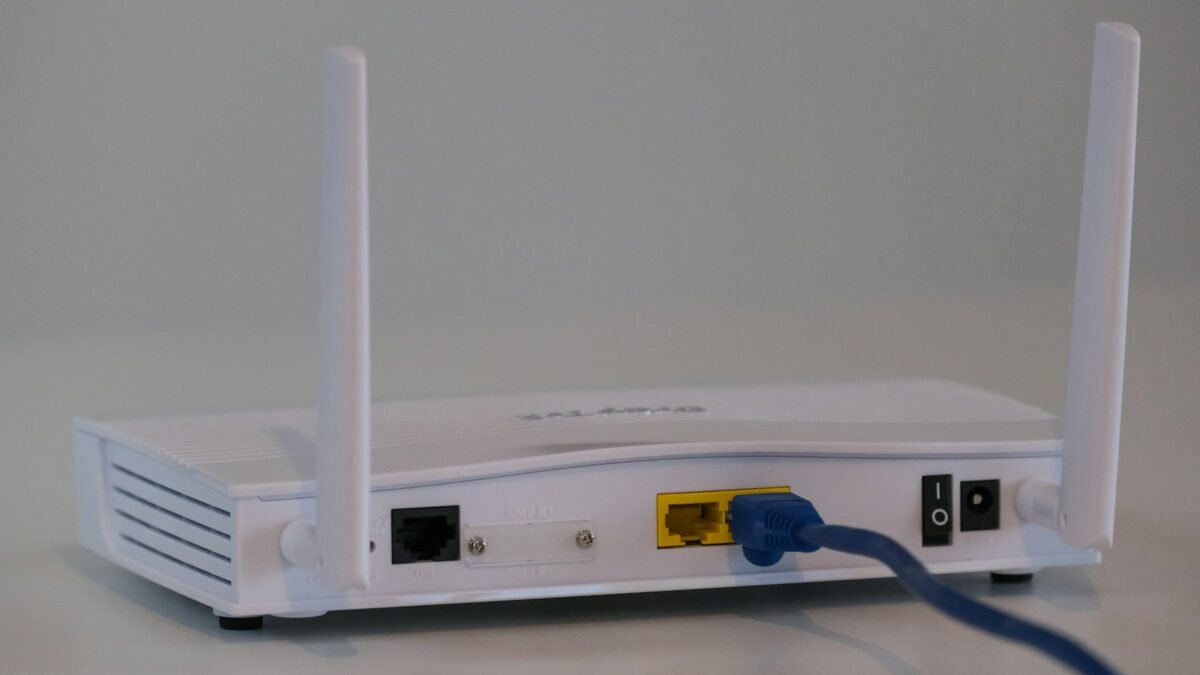
Wi-Fi 7 (802.11be) is the newer standard. It adds wider 320 MHz channels, faster 4096-QAM signalling and Multi-Link Operation, which lets a device use several bands at once. Its theoretical top speed is about 46 Gbps, compared with 9.6 Gbps for Wi-Fi 6. But you only benefit if your internet plan, router and devices all support it. Many homes are fine with Wi-Fi 6 or 6E today.
Router boxes now shout about speeds with numbers that look huge. The truth is that your real Wi-Fi speed depends on your internet plan, the distance and walls between you and the router, how many devices share the signal and whether your phone or laptop supports the new standard. A new router alone does not make an old phone faster.
This guide explains the real differences between Wi-Fi 6 and Wi-Fi 7 in plain language, shows who should upgrade and who should wait, and includes a free calculator that gives you a simple recommendation based on your own situation.
Wi-Fi 6 vs Wi-Fi 7 at a glance
Wi-Fi 6 is the name for the 802.11ax standard that arrived around 2019. A variant called Wi-Fi 6E added access to the 6 GHz band in regions that allow it. Wi-Fi 7 is 802.11be, the next generation. The figures below are theoretical maximums from the standards. Real speeds are much lower and vary by device and home.
| Feature | Wi-Fi 6 (802.11ax) | Wi-Fi 7 (802.11be) |
|---|---|---|
| Theoretical top speed | About 9.6 Gbps | About 46 Gbps |
| Widest channel | 160 MHz | 320 MHz (6 GHz band) |
| Modulation | 1024-QAM | 4096-QAM |
| Bands | 2.4 and 5 GHz (6 GHz on 6E) | 2.4, 5 and 6 GHz |
| Multi-Link Operation | No | Yes |
| Best for | Most homes and 1 Gbps plans | Multi-gig plans, low delay, many heavy users |
What the new Wi-Fi 7 features really do
Wider 320 MHz channels
A channel is like a lane on a road. A wider lane carries more data at once. Wi-Fi 7 can use a 320 MHz channel in the 6 GHz band, double the 160 MHz maximum of Wi-Fi 6. The catch is that wide channels work best at short range, with a clear line of sight, and the 6 GHz band is not available to every country or device.
4096-QAM
QAM describes how much information is packed into each radio signal. Moving from 1024-QAM to 4096-QAM raises the maximum data rate by roughly one fifth under ideal conditions. You need a strong, clean signal to use it, so it helps mostly when your device is close to the router.
Multi-Link Operation
This is the feature many experts find most useful in daily life. A Wi-Fi 7 device can send and receive across more than one band at the same time, for example 5 GHz and 6 GHz. That can lower delay and make connections more stable, which is good for video calls, cloud gaming and virtual reality.
Better handling of busy networks
Wi-Fi 7 improves how a router divides a channel among many devices. In a crowded flat or a home with dozens of smart devices, this can make the network feel smoother, even when each device uses a small amount of data.
Why your real speed will be lower than the box says
The 46 Gbps figure is a lab number for a perfect connection with many antennas on both sides. Phones and laptops usually have two antennas and reach a small share of that. In a typical home you are also limited by your internet plan. If you pay for 300 Mbps, a faster router cannot deliver 1000 Mbps from the internet. It may improve speeds inside your home between devices, such as when you copy files to a network drive, but it will not raise your internet speed.
If your Wi-Fi feels slow today, the cause is often placement, interference or an old router rather than the standard. Before spending money, read our guide to fixing slow Wi-Fi. Moving the router to a central, higher spot and switching to a less crowded channel is free and often helps more than a new box.
Should I Upgrade to Wi-Fi 7?
Answer five questions to get a simple, rule-based recommendation. Nothing is stored or sent anywhere.
- Enter your plan speed from your internet bill.
- Count roughly how many devices connect and how many are Wi-Fi 7 capable.
- Press the button and read the reasons behind the answer.
Who should upgrade to Wi-Fi 7 now
- Multi-gig internet users. If your plan is 2 Gbps or more and you have a Wi-Fi 7 laptop or phone, you may see real gains.
- Gamers and VR users. Lower delay and steadier connections from Multi-Link Operation can help, although a wired cable is still the best option.
- Busy households. Many people streaming, working and gaming together can benefit from the improved efficiency.
- People buying a new router anyway. If you must replace an old Wi-Fi 5 router, choosing a well-reviewed Wi-Fi 7 model may future-proof you.
Who can safely wait
- You have a decent Wi-Fi 6 or 6E router and your plan is under 1 Gbps.
- None of your phones or laptops support Wi-Fi 7.
- Your problem is a dead spot, which usually needs better placement or a mesh node, not a new standard.
Other things to check before buying
Look at the number of ethernet ports and whether they support multi-gig speeds, because a fast router with slow ports wastes your plan. Check how long the maker promises security updates. Read independent reviews to see real tests, not just box claims. And check whether the 6 GHz band is allowed where you live, because rules differ by country. Prices change often, so always verify them on official store pages.
Also think about where the router sits. Even the best router struggles in a cupboard behind a thick wall. Keep it high, central and away from metal objects and microwave ovens. And remember to protect your files by following our backup guide, since a new network is a good moment to review how you keep your data safe.
A quick example
Common mistakes to avoid
- Buying by the speed number. Totals like AX or BE rating combine several bands and are not your real speed.
- Ignoring your devices. The new standard needs support on both ends.
- Forgetting the internet plan. Your provider sets the ceiling for internet speed.
- Skipping basic fixes. Placement and channel choice are free and effective.
- Overpaying early. Prices of new standards often drop within a year or two.
Frequently asked questions
Is Wi-Fi 7 much faster than Wi-Fi 6?
On paper, yes: the theoretical maximum is about 46 Gbps against 9.6 Gbps. In real life, gains depend on your internet plan, devices and distance, and are often modest for typical homes.
Do I need new devices for Wi-Fi 7?
To use Wi-Fi 7 features you need a router and devices that both support it. Older devices still work on the new router at their own speeds.
What is Multi-Link Operation?
It lets a device use more than one band at the same time, which can reduce delay and improve stability.
Is the 6 GHz band available everywhere?
No. Rules differ by country, so check your local regulations and your router and device specifications.
Explore more

Aarav Vance is a technology strategist and writer at TechWiseToday. With over 8 years of experience in software engineering and artificial intelligence, he breaks down complex tech concepts into actionable insights. When he isn't testing the latest AI tools or reviewing enterprise software, Aarav can be found writing code for open-source projects or tinkering with home automation setups.