What Is 6G? How It Differs From 5G and When It Is Coming
6G explained: what it is, how it compares with 4G and 5G, expected timelines, possible uses and concerns, plus a free download time calculator.
 Aarav VanceUpdated November 3, 2026 · 5 min read
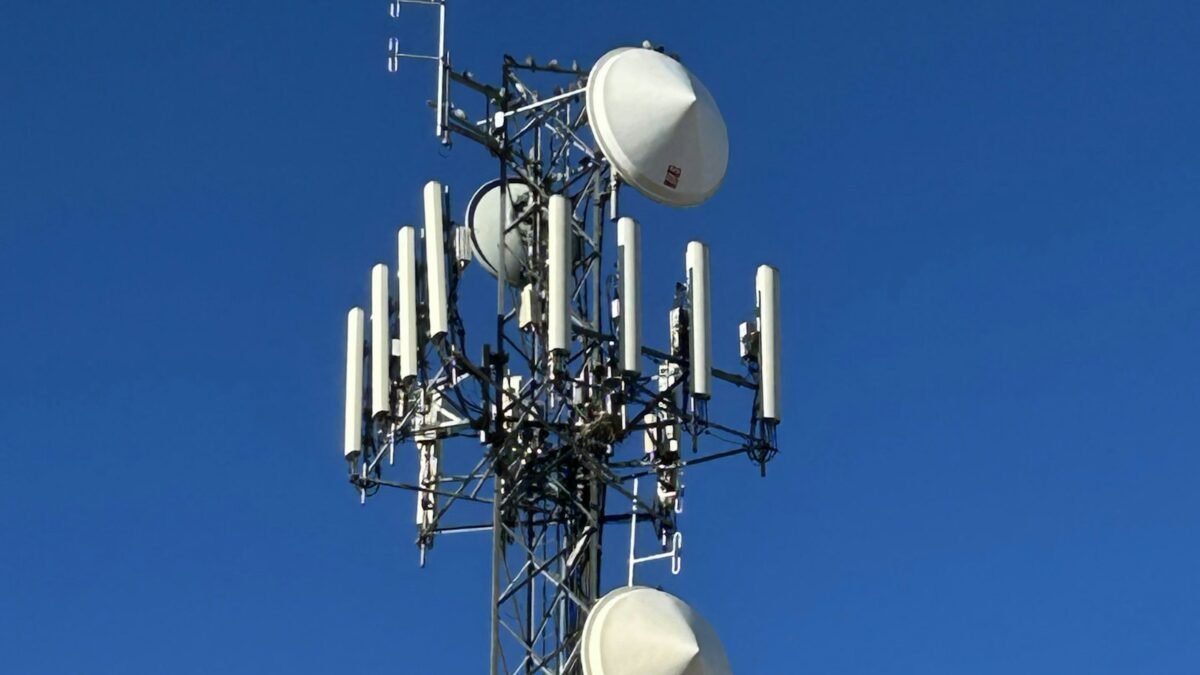
6G is the next generation of mobile networks after 5G. It is still being researched and standardised, with the first commercial networks widely expected around 2030. It aims to be much faster than 5G, with lower delay, better coverage and networks that can sense their surroundings and use AI to manage themselves.
Many people are still getting used to 5G, and “6G” headlines are already appearing. Phone makers, network companies and governments are investing in research now, because mobile standards take most of a decade to agree, test and build.
This guide explains what 6G is, how it differs from 5G, when you might actually use it and what it means for you today. Use the free download time calculator below to compare network speeds.
What Is 6G?
6G stands for the sixth generation of mobile network technology. The International Telecommunication Union (ITU), the UN agency for telecoms, calls it IMT-2030. The industry group 3GPP, which writes the technical standards for 4G and 5G, is now working on the first 6G specifications.
- Higher speeds: aims to go well beyond 5G’s peak speeds.
- Lower latency: less delay for real-time uses like remote control and immersive video.
- New spectrum: researchers are testing higher frequency bands, including parts of the sub-terahertz range.
- AI-native networks: networks designed to use AI to manage traffic and energy.
- Sensing: networks that can detect movement and objects, not just carry data.
4G vs 5G vs 6G
| 4G | 5G | 6G (expected) | |
|---|---|---|---|
| Launched | Around 2010 | Around 2019 | Expected around 2030 |
| Typical use | Mobile internet, video | Faster mobile data, home broadband, IoT | Immersive XR, smart cities, sensing, AI services |
| Delay (latency) | Tens of milliseconds | Lower, a few milliseconds possible | Aiming even lower |
| Status | Mature | Still expanding | Research and standards |
Exact 6G speeds are not fixed yet. Treat any single number in headlines as a research target, not a promise.
How 6G Is Being Developed
1. Research
Universities and companies test new radio bands, antennas and AI techniques.
2. Requirements
The ITU sets goals for what IMT-2030 networks should achieve.
3. Standards
3GPP turns those goals into detailed technical specifications that phone and network makers follow.
4. Trials and launch
Operators test equipment in real cities before commercial launch, followed by compatible phones.

Free Download Time Calculator
Compare how long a download takes on different connections. Real speeds vary with signal, network load and your device. The 6G figure is a hypothetical example only. Nothing is saved.
Download Time Calculator
Enter a file size and your own measured speed.
What 6G Could Be Used For
- Immersive video and XR: lightweight AR glasses that stream detailed graphics.
- Smart cities: traffic systems that react instantly to conditions.
- Healthcare: remote monitoring and, in time, more advanced remote procedures.
- Industry: robots and sensors working safely together.
- Coverage everywhere: closer links with satellites to reach remote areas.
Who Will Notice 6G First?
- Students: future careers in telecoms, AI and engineering.
- Developers: new types of real-time and sensing apps.
- Professionals: industries like manufacturing, logistics and healthcare.
- Small businesses: better rural connectivity over time.
Challenges and Concerns
- Higher frequencies travel shorter distances and need many more antennas.
- Building new networks is expensive, so rollout will be gradual.
- Energy use must be controlled as networks grow.
- Network sensing raises privacy questions that regulators will need to address.
- Health concerns are often raised; regulators set exposure limits for all mobile networks, and research continues.
The ITU’s IMT-2030 page is the official source for 6G goals and timelines.

What to Do Now
- Make the most of 5G where it is available.
- Choose phones for long software support, not future labels.
- Check your carrier’s 5G coverage maps before switching plans.
- Follow official sources rather than hype headlines.
- If you work in tech, watch 3GPP and ITU updates.
- Revisit 6G news yearly as standards progress.
Frequently Asked Questions
When will 6G be available?
The first commercial networks are widely expected around 2030, with wider rollout after that.
How fast will 6G be?
Final speeds are not set. Research targets are much higher than 5G, but real-world speeds will depend on networks and devices.
Do I need a new phone for 6G?
Yes, when 6G arrives you will need a compatible phone. None are on sale for consumer 6G networks yet.
Will 6G replace Wi-Fi?
Unlikely. Wi-Fi and mobile networks will keep working together.
Is 5G still worth it?
Yes. 5G will be the main mobile network for many years, even after 6G launches.
Who decides what 6G is?
The ITU sets goals, and the 3GPP industry group writes the technical standards.
Final Thoughts
- 6G is in research and standards, with launches expected around 2030.
- It aims for speed, low delay, coverage, AI and sensing.
- For now, 5G remains the network that matters.
Explore More on TechWiseToday

Aarav Vance is a technology strategist and writer at TechWiseToday. With over 8 years of experience in software engineering and artificial intelligence, he breaks down complex tech concepts into actionable insights. When he isn't testing the latest AI tools or reviewing enterprise software, Aarav can be found writing code for open-source projects or tinkering with home automation setups.