What Is Quantum Computing? A Plain-English Guide
Quantum computing explained simply: qubits, how quantum computers work, real uses, what it means for encryption, and a free qubit power calculator.
 Aarav VanceUpdated November 3, 2026 · 5 min read
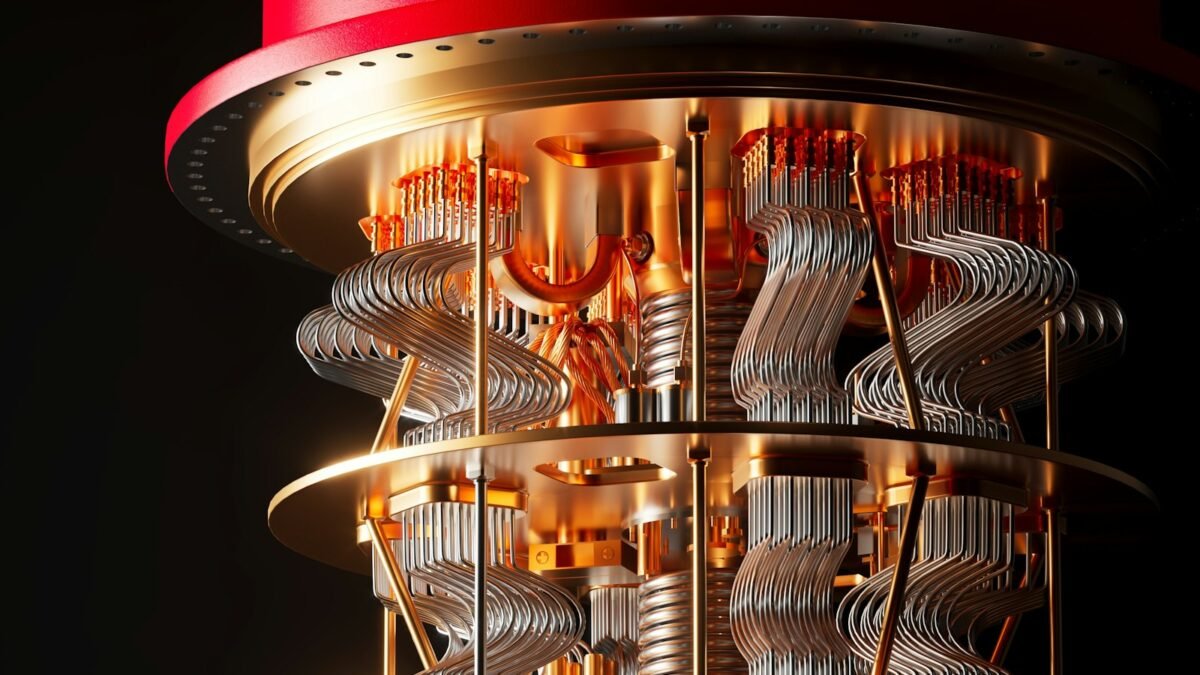
A quantum computer uses qubits, which can hold a mix of 0 and 1 at the same time and link together in ways normal bits cannot. That lets it explore some huge problems, like simulating molecules, far faster than ordinary computers. It will not replace your laptop; it is a specialist tool still in early development.
Quantum computing appears in headlines almost every week, often with dramatic claims. Big tech companies, governments and start-ups are investing heavily, and some experts say it could change medicine, materials and online security. But what is it, really, and when will it matter to normal people?
This guide explains quantum computing in plain English, what it can and cannot do, and why it matters for your data in the future. Try the free qubit calculator below to see why qubits are so powerful.
What Is a Quantum Computer?
Normal computers store information as bits, each either 0 or 1. Quantum computers use quantum bits, or qubits. Thanks to the rules of quantum physics, qubits behave very differently.
- Superposition: a qubit can be in a combination of 0 and 1 until it is measured.
- Entanglement: qubits can be linked so the state of one depends on another.
- Interference: quantum programs boost the paths to right answers and cancel out wrong ones.
- Fragility: qubits are easily disturbed by heat and noise, so many machines run colder than outer space.
Classical vs Quantum Computers
| Classical computer | Quantum computer | |
|---|---|---|
| Basic unit | Bit (0 or 1) | Qubit (mix of 0 and 1) |
| Good at | Almost everything everyday | Specific problems: chemistry, optimisation, some maths |
| Where it runs | Phones, laptops, servers | Specialist labs, mostly accessed through the cloud |
| Error rates | Extremely low | Still high; error correction is a major challenge |
| Ready today? | Yes | Early stage, mostly research and experiments |
How Does Quantum Computing Work?
1. Prepare the qubits
Qubits are made from things like superconducting circuits, trapped ions or particles of light, kept extremely stable.
2. Apply quantum gates
A program is a sequence of operations that put qubits into superposition and entangle them.
3. Let interference work
The algorithm is designed so correct answers become more likely and wrong ones less likely.
4. Measure the result
Measuring turns each qubit into a normal 0 or 1. Programs often run many times to get a reliable answer.

Free Qubit Power Calculator
Enter a number of qubits to see how many states they can represent at once compared with normal bits. Nothing is saved.
Qubit Power Calculator
Shows 2 to the power of the number of qubits.
Where Quantum Computing Could Help
- Medicine and chemistry: simulating molecules and new materials.
- Energy: better batteries, solar materials and fertiliser production.
- Logistics: some route and scheduling problems.
- Finance: risk modelling and optimisation research.
- Science: physics experiments that are impossible to simulate classically.
Why It Matters for Security
Much of today’s internet encryption relies on maths problems that a large, error-corrected quantum computer could solve. That machine does not exist yet, but data stolen today could be decrypted later. This is why governments and tech companies are moving to “post-quantum” encryption. The US National Institute of Standards and Technology published its first post-quantum encryption standards in 2024.
Who Should Pay Attention?
- Students: quantum skills mix physics, maths and programming, a growing field.
- Developers: free cloud tools let you try quantum programming today.
- IT professionals: planning the move to post-quantum encryption.
- Business leaders: understanding hype versus real timelines.
Limits and Realistic Timelines
- Today’s machines are noisy and make many errors.
- Useful, large-scale error-corrected quantum computers are still expected to be years away.
- They will work alongside classical computers, not replace them.
- Most people will use quantum computing indirectly, through better products and services.

How to Learn More
- Learn the basic ideas: qubits, superposition, entanglement.
- Try a free online quantum programming tutorial.
- Follow reputable research labs rather than hype posts.
- If you work in IT, read about post-quantum encryption.
- Check your organisation’s plans for encryption upgrades.
- Revisit the topic once a year; it moves quickly.
Frequently Asked Questions
Will quantum computers replace normal computers?
No. They are specialist machines for certain problems and will work alongside classical computers.
Can I buy a quantum computer?
Not for home use. Some companies offer access through the cloud for research and learning.
Can quantum computers break passwords?
A future large quantum computer could break some current encryption methods. New post-quantum standards are being rolled out to prevent this.
Why do quantum computers need to be so cold?
Many types of qubits only stay stable at temperatures near absolute zero, away from heat and noise.
What is quantum advantage?
When a quantum computer solves a task faster than the best classical computer could.
When will quantum computing affect me?
Mostly indirectly, through safer encryption and, later, better medicines and materials.
Final Thoughts
- Qubits use quantum physics to handle certain problems differently.
- Real-world use is growing, but large reliable machines are still in development.
- Post-quantum encryption is the change that will reach most people first.
Explore More on TechWiseToday

Aarav Vance is a technology strategist and writer at TechWiseToday. With over 8 years of experience in software engineering and artificial intelligence, he breaks down complex tech concepts into actionable insights. When he isn't testing the latest AI tools or reviewing enterprise software, Aarav can be found writing code for open-source projects or tinkering with home automation setups.